Entry #9: More Than Just Leftovers
Food waste is one of those topics that sounds simple at first, but the more you look into it, the bigger it gets. Before reading this article, Food Waste, I mostly thought of food waste as just people throwing away leftovers or forgetting about food in the fridge. But it turns out it happens way beyond just the consumer level.
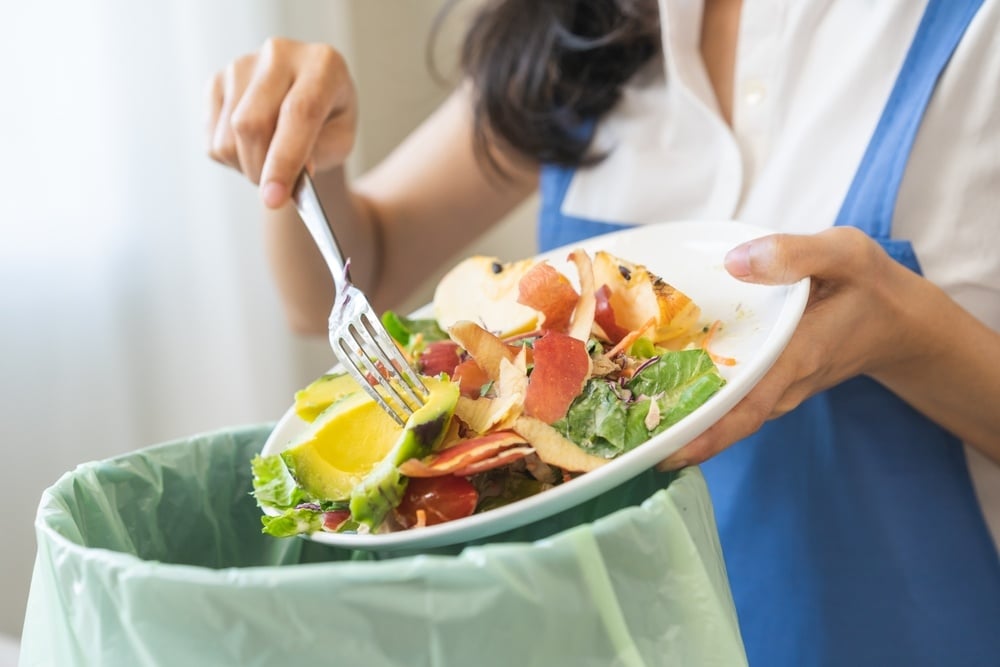 This is where the problem starts
One of the main things the article explains is that food waste happens along the entire food system, from farms all the way to stores and then to people. It also breaks it down into two categories: “food loss” and “food waste.” Food loss happens earlier in the process, like during production, storage, or transportation when food gets damaged or goes bad before it even reaches stores. Food waste is more what people usually think of, which is food that is still good but gets thrown away at stores, restaurants, or homes.
What really stood out to me is how large the problem actually is. The article says that up to 40% of food in the U.S. goes uneaten, and most of it ends up in landfills. It also mentions that decomposing food produces methane gas, which contributes to climate change. I didn’t really connect food waste to environmental issues before, but it makes sense when you think about how much of it is just sitting in landfills.
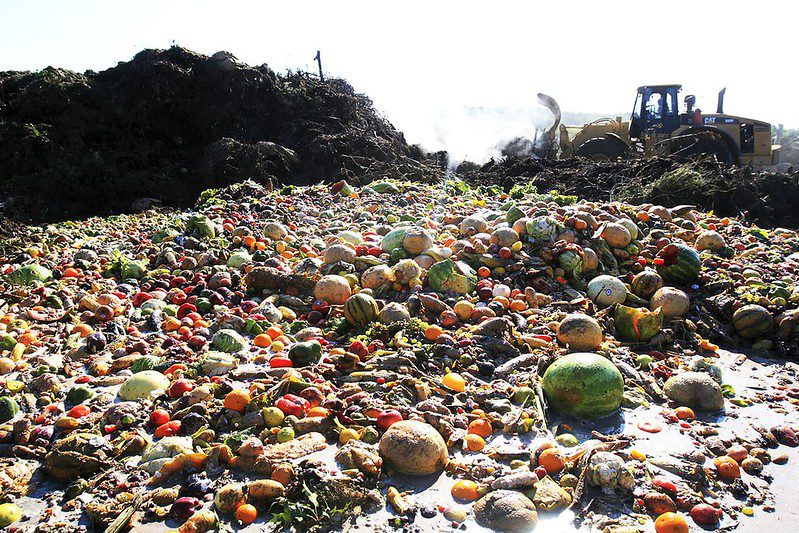
Something else that stood out is how this isn’t just one simple problem with one cause. It happens for different reasons depending on where you are in the system. At farms, it can be things like crops going bad or not meeting appearance standards. At stores, it can be overstocking or products expiring. At home, it can be people buying too much or not using food in time. It’s basically happening everywhere at once.
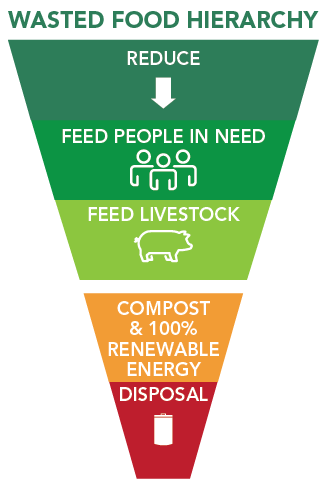
The article also talks about solutions, which I thought was important because it’s not just pointing out the problem. It mentions things like donating extra food, improving storage and labeling, composting, and even selling “ugly” produce that normally gets thrown away just because of how it looks. It also explains the “food recovery hierarchy,” which is basically a system that shows the best ways to handle extra food, starting with preventing waste in the first place and ending with landfill use as a last resort.
What this made me think about is how much food gets wasted without people really noticing. It’s easy to assume it’s just a personal habit issue, but it’s actually tied into how the whole system works. At the same time, individuals still play a role, because things like buying only what you need or storing food properly can make a difference too.
Overall, this topic matters because food waste isn’t just about throwing food away. It connects to bigger issues like hunger, environmental damage, and how resources are used. It’s one of those problems that feels kind of hidden in everyday life, but once you actually look at it, it’s hard to ignore how much impact it really has.


Comments
Post a Comment